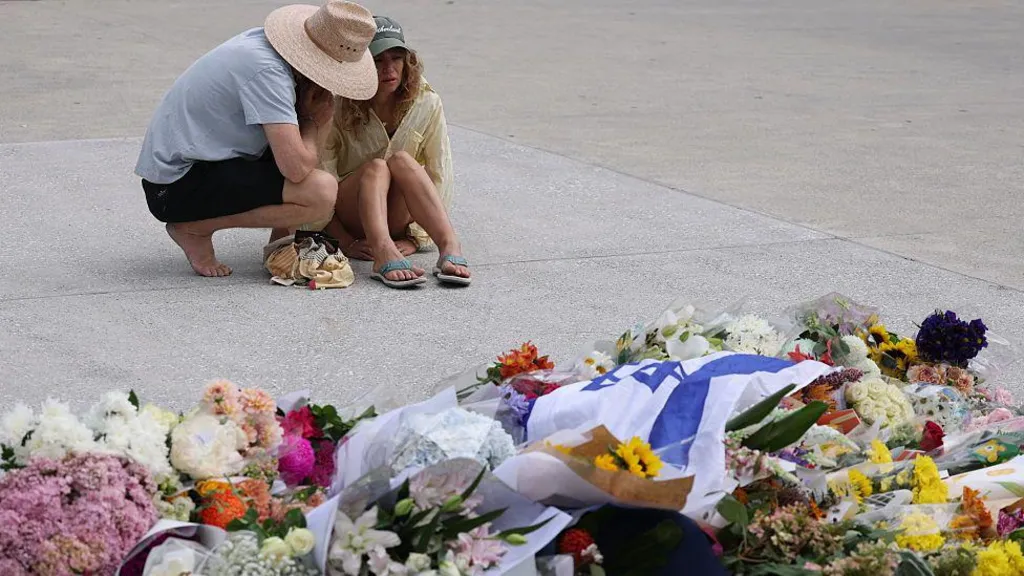
A Brown University sophomore who survived the 2018 Parkland school massacre says anger — not shock — is her dominant emotion after a deadly shooting on her campus, calling the United States “the only country where this keeps happening.”
Zoe Weissman, who was a middle school student next to Marjory Stoneman Douglas High School during the Parkland attack, spoke out after two students were killed in Saturday’s mass shooting at Brown University in Providence, Rhode Island.
The victims were identified as 18-year-old freshman Mukhammad Aziz Umurzokov of Virginia and 19-year-old sophomore Ella Cook of Alabama. Nine others were injured.
“This is the second time I’ve lived through a school shooting,” Weissman said. “I’ve already processed the grief once. What I feel now is anger.”
Umurzokov’s family immigrated to the United States from Uzbekistan in 2011. Friends described him as gentle, outgoing and ambitious, with dreams of becoming a neurosurgeon inspired by doctors who treated him as a child.
“We don’t want him to become just a number,” his sister said. “We want people to know his name.”
Cook was remembered as grounded, generous and deeply kind. A devoted Christian and gifted pianist, she served as vice president of Brown’s College Republican Club. Both students were preparing to travel home for winter break.
The gunman remains at large four days after the attack. Federal authorities released new surveillance images and announced a $50,000 reward for information leading to an arrest. Investigators say the suspect is armed and dangerous.
According to the Gun Violence Archive, there have been 391 mass shootings in the U.S. this year alone, including at least 75 school shootings.
Weissman said she immediately recognized the signs when she received a frantic phone call from a friend near the scene.
“I knew right away,” she said. “The moment she asked if I was in the building, my brain went there.”
She spent the night locked down in her dorm until authorities announced a person of interest had been detained — though that individual was later released. Weissman has since returned to her home in Parkland, Florida.
Her message to lawmakers was blunt: act, or face consequences.
“If politicians want to prove they care about their constituents, they need to pass federal gun violence prevention laws,” she said. “If they don’t, we’ll vote them out.”
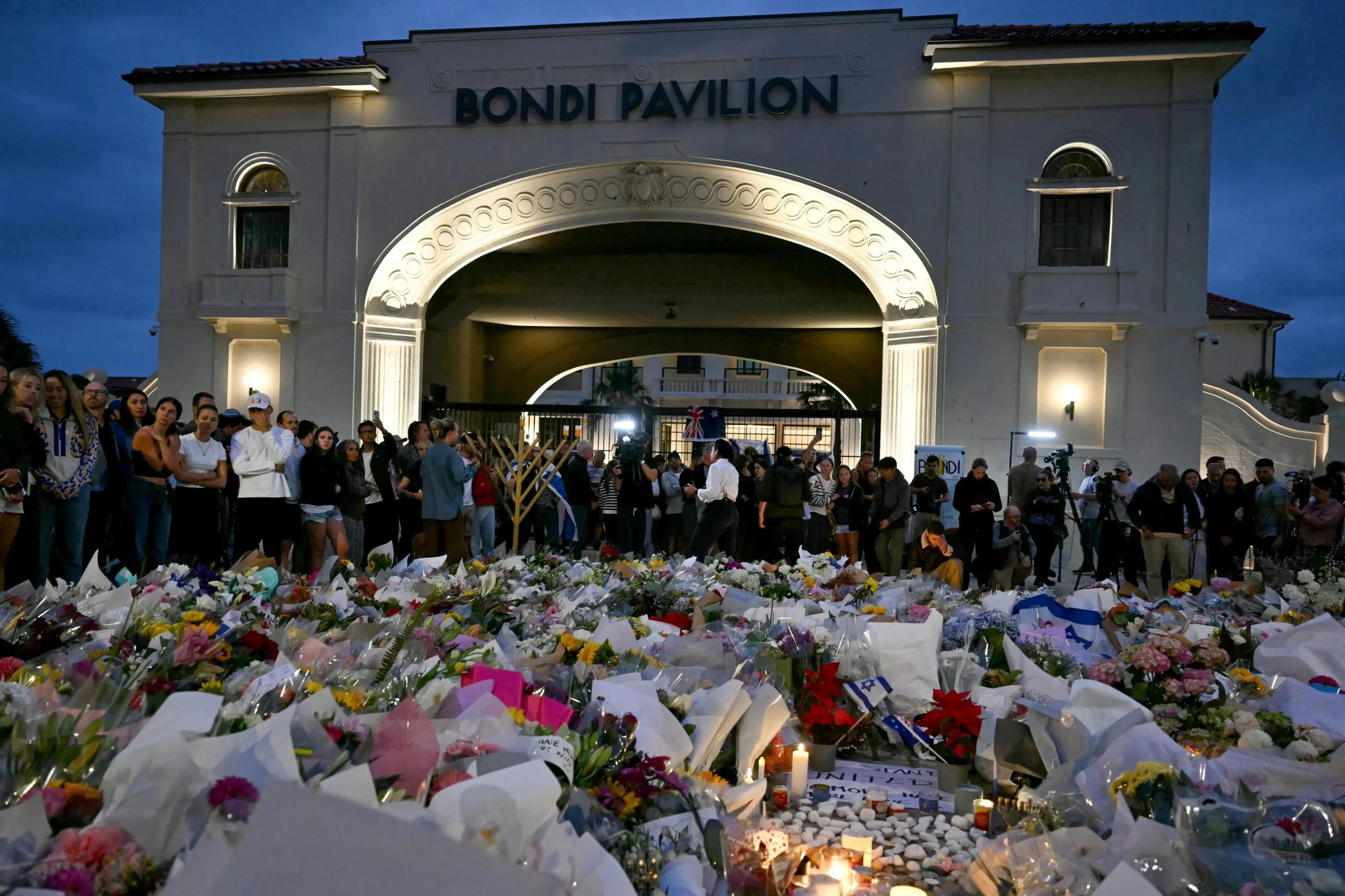
Weissman contrasted the U.S. response to gun violence with Australia’s, pointing to sweeping reforms enacted after the 1996 Port Arthur massacre. Despite a recent mass shooting at a Hanukkah event in Sydney, Australia has recorded a fraction of the gun violence seen in the United States.
“They actually act after mass shootings,” she said. “Here, politicians care more about corporate funding than lives.”
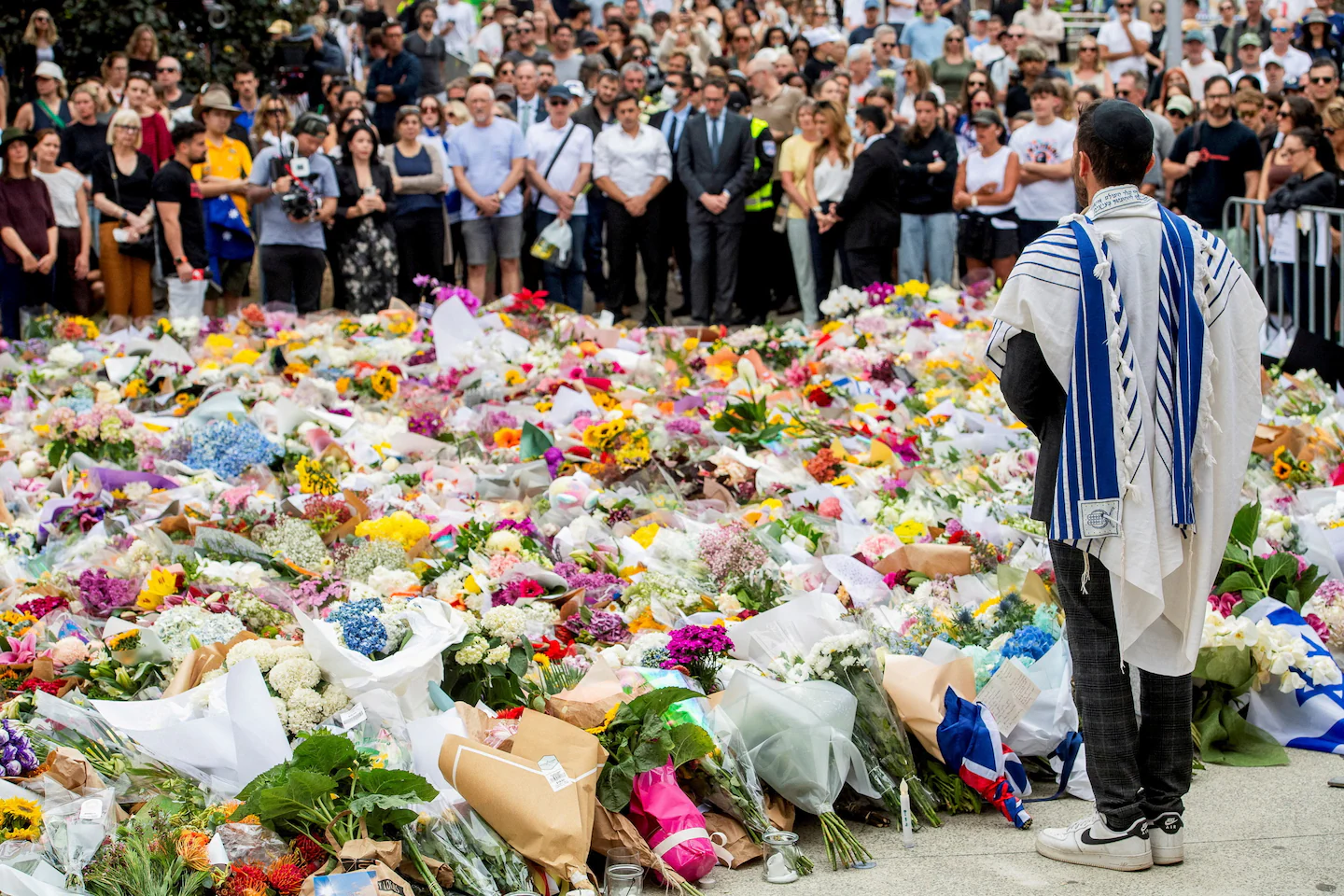
Australian leaders this week announced plans to tighten gun laws further following the Bondi Beach attack, which killed 15 people, including a 10-year-old girl, a rabbi and a Holocaust survivor who died shielding his wife from gunfire.
Weissman said the comparison only deepens her frustration.
“This doesn’t happen anywhere else like it happens here,” she said. “We’re the only country with more guns than people.”
Despite concerns that students leaving campus could slow momentum, Weissman said she expects Brown students to mobilize once classes resume in January.
“We’re politically active,” she said. “We’re angry. And we’re ready to fight — not just at the state level, but federally.”
She added that recent gun violence involving Brown students — including the 2023 shooting of Palestinian student Hisham Awartani in Vermont — has reinforced a grim reality.
“There’s no single ideology behind all this violence,” she said. “The common denominator is guns.”
For Weissman, surviving two school shootings before age 21 has only strengthened her resolve.
“I don’t want a world where students have to survive this once — let alone twice,” she said.