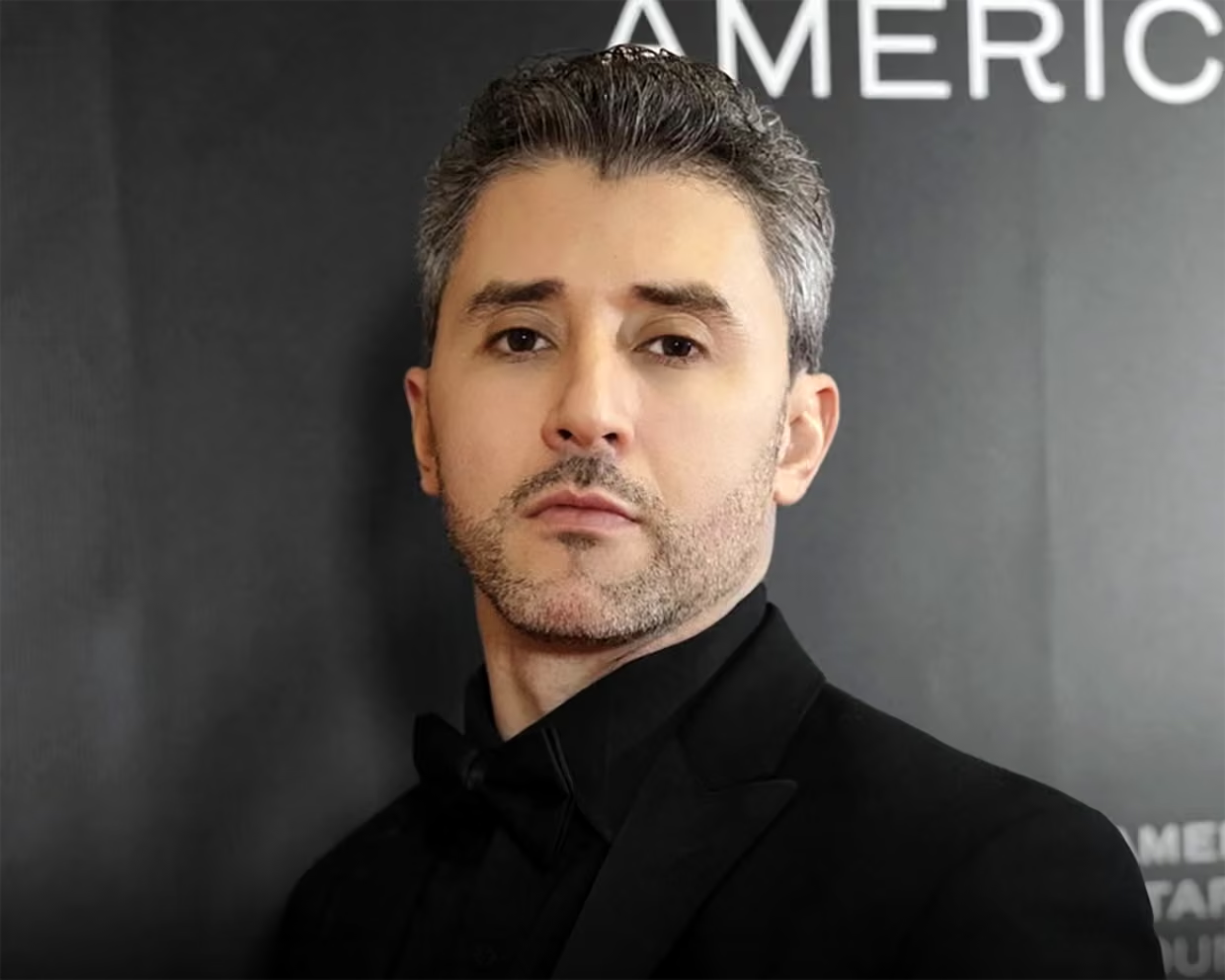
The US homeland security secretary, Kristi Noem, said on Monday that all federal agents operating in Minneapolis will immediately begin wearing body cameras, with plans to expand the policy nationwide as funding allows.
The move follows comments from Republican senator Ron Johnson of Wisconsin, who suggested that Immigration and Customs Enforcement (ICE) officers wearing body cameras could help break the political deadlock over funding for the agency. Democrats have made the use of body cameras one of their key conditions for approving continued financing.
Johnson, who chairs the Senate’s homeland security committee, said he was open to the proposal during an appearance on CNN’s State of the Union.
“I don’t have a problem with that personally,” he told host Dana Bash, referring to ICE agents wearing cameras while on patrol.
President Donald Trump also appeared to signal support for the measure on Monday, saying body cameras were generally beneficial for law enforcement. “They generally tend to be good for law enforcement because people can’t lie about what’s happening,” he said at a White House event.
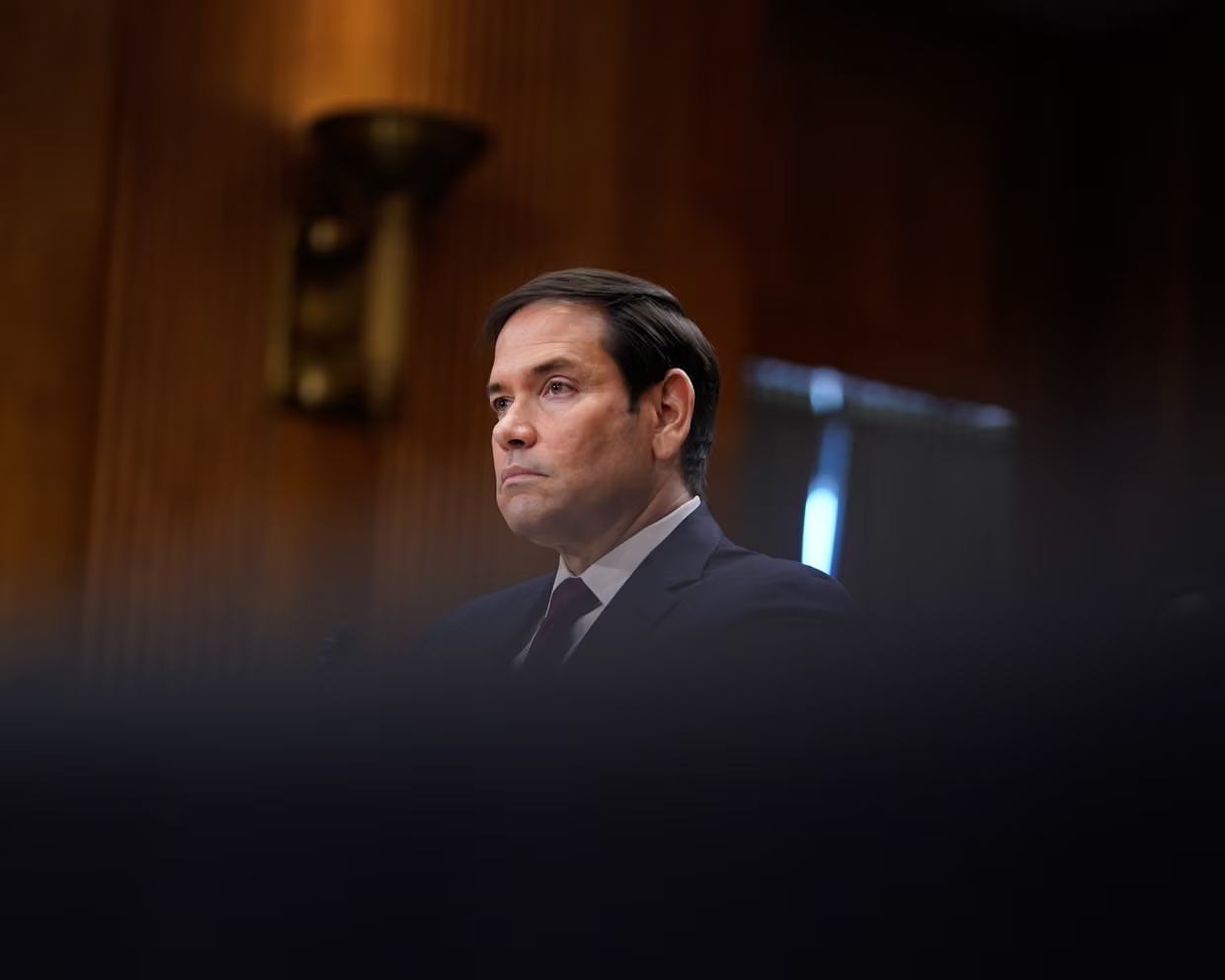
Democrats have tied their support for funding the Department of Homeland Security to reforms of ICE’s operations, which have come under intense scrutiny following enforcement actions in Minneapolis and the fatal shootings of two people, Alex Pretti and Renee Good.
As a result, Democratic senators have refused to back legislation funding DHS without changes to how ICE conducts patrols.
In addition to requiring body cameras, the Senate Democratic leader, Chuck Schumer, has called for an end to roving patrols and for new rules mandating judicial warrants before agents enter homes to make arrests.
He has also demanded that federal agents be barred from wearing masks, be required to carry proper identification, and adhere to a universal code of conduct governing the use of force.
Schumer has described the proposals as “commonsense changes”, warning that Republicans would be choosing “chaos over order” if they refused to support them.
ICE agents have faced widespread criticism for detaining and using pepper spray against demonstrators and observers who were filming or following enforcement actions. Civil liberties advocates argue that such activities are protected under the first amendment.
Johnson acknowledged on CNN that agents were operating under extreme pressure, claiming some had been shot at or had their vehicles rammed by protesters. He conceded that body cameras could help clarify disputed encounters.
However, he strongly rejected Democratic demands for judicial warrants, characterizing them as an attempt to undermine Trump’s immigration policies.
“This is immigration law that has always been adjudicated through administrative judges,” Johnson said. “We’ve got millions of cases backlogged. Demanding judicial warrants is their sneaky way of basically neutering our ability to enforce our immigration laws.”
Last Friday, the Senate approved a package of five bills to fund government agencies through next September, along with a separate measure extending homeland security funding for two weeks.
The House of Representatives is expected to take up the legislation this week. Democrats in the chamber are likely to maintain pressure for ICE reforms after meeting on Sunday to coordinate their strategy.
The House Democratic leader, Hakeem Jeffries, echoed Schumer’s position in an interview with ABC’s This Week.
“ICE agents should conduct themselves like every other law enforcement agency in the country,” Jeffries said. “Instead, in many instances, they’re running around masked and unleashing brutality on law-abiding American citizens. What’s clear is that the Department of Homeland Security needs dramatic reform.”